
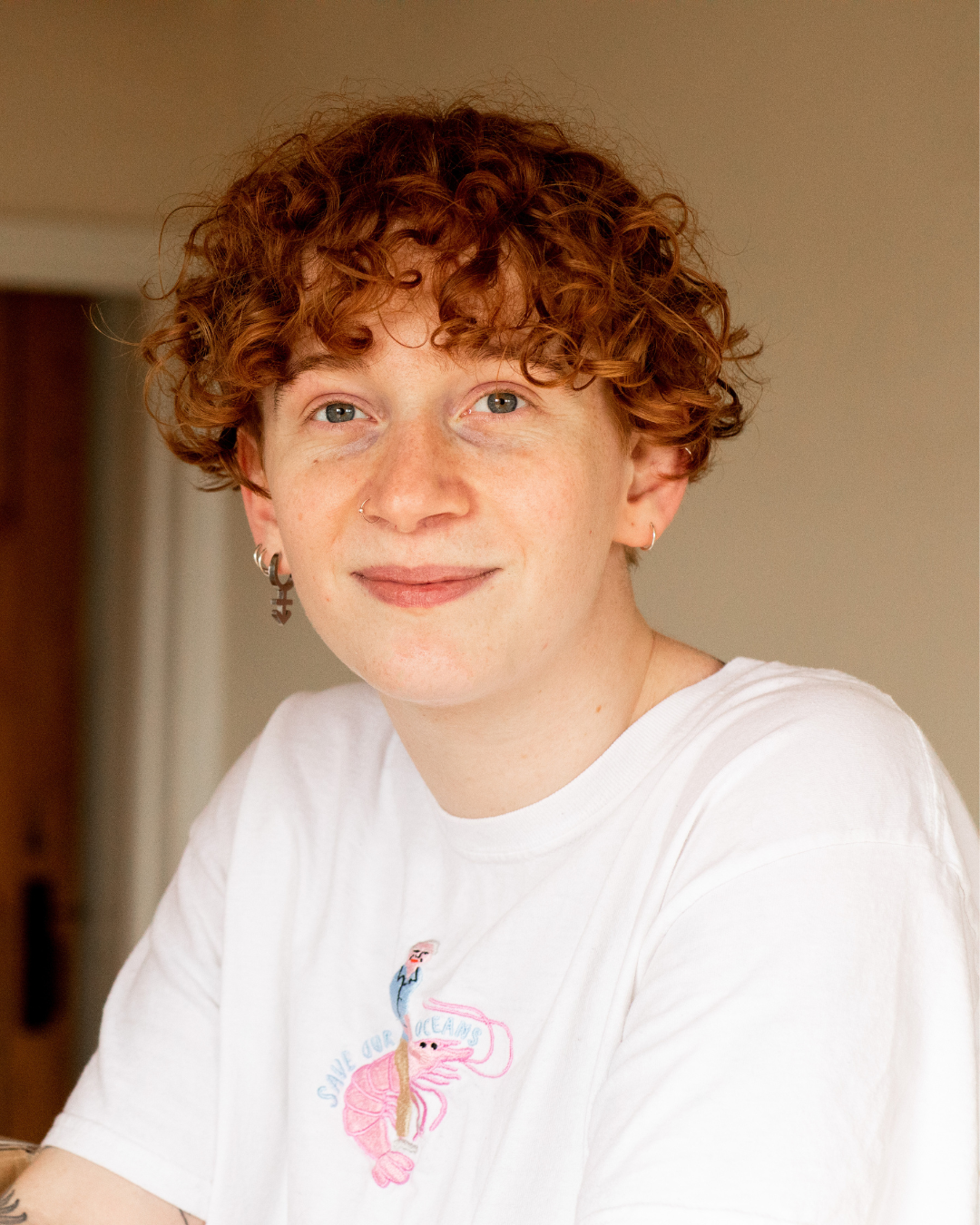
Yan’s Story
Assessment:
AuDHD
3 Minute Read
In school, Yan struggled with mandatory subjects they weren’t interested in - work took them twice as long as their peers, and they were often late finishing essays and coursework. They blamed themself for these difficulties. But history class was completely different. Facts and figures came easily, they always had something to contribute, and they could focus for hours - often reading far beyond the textbook into supplementary books and documentaries, sometimes forgetting to eat or sleep.
Recently, Yan began attending university for medieval history - they were excited to focus solely on their passion. However, the transition has been challenging. They face a long commute every morning and evening, which they find exhausting. Living independently, managing the house, bills, and juggling expectations has been difficult.
The large campus, crowds, lecture theatres, and different expectations from school have been overwhelming. Self-directed study and changes in culture between secondary school and university were hard to adjust to. Socializing has always been difficult for Yan - they constantly worry about saying the “wrong” thing and often feel excluded. The need to make new friends, do group work, and communicate with tutors has been anxiety-inducing.
Despite loving their course, Yan began to struggle. They’d long suspected they might be AuDHD, and several neurodivergent friends had mentioned it too. However, when they raised it with their therapist, they felt dismissed.
“Their therapist said that because they make eye contact and are articulate, it was & ‘unlikely’ they were Autistic.”
Yan feared seeking formal identification. They’re non-binary and had heard from other people in the trans community that some doctors and mental health practitioners discriminated against Autistic trans people, making it harder to access treatment.
It took time, but Yan resolved they needed urgent support in college. They reached out to The Adult Autism and ADHD Practice, assured that all information shared would be private - nothing would be sent to anyone except Yan without their permission.
Through the identification process, Yan learned:
They experience the world in an AuDHD way - their ability to hyperfocus on history while struggling with uninteresting subjects makes perfect sense. Their sensory sensitivities to crowds, exhaustion from socializing, and anxiety about communication are all part of being Autistic. Their difficulties with time management, remembering to eat and sleep, and adjusting to new structures reflect their ADHD.
Understanding their AuDHD identity helped Yan stop blaming themself. The struggles weren’t personal failings - they were navigating a neurotypical university system without the right support.

Yan now knows:
Their history passion and hyperfocus are AuDHD strengths.
They need accommodations for executive functioning challenges.
Social exhaustion is real and valid.
Their identity as non-binary and AuDHD are both important parts of who they are.
They deserve support that affirms all aspects of their identity.