

"I want to move forward, but worried about what happens next regardless of the outcome."
Not sure where to start?
Let's work through this together, how you proceed depends on your own lived experiences and what feels right for you. Not sure if you experience the world in an Autistic or ADHD way?
Read our case studies from people who were once in your exact position - wanting clarity but uncertain about the next step.
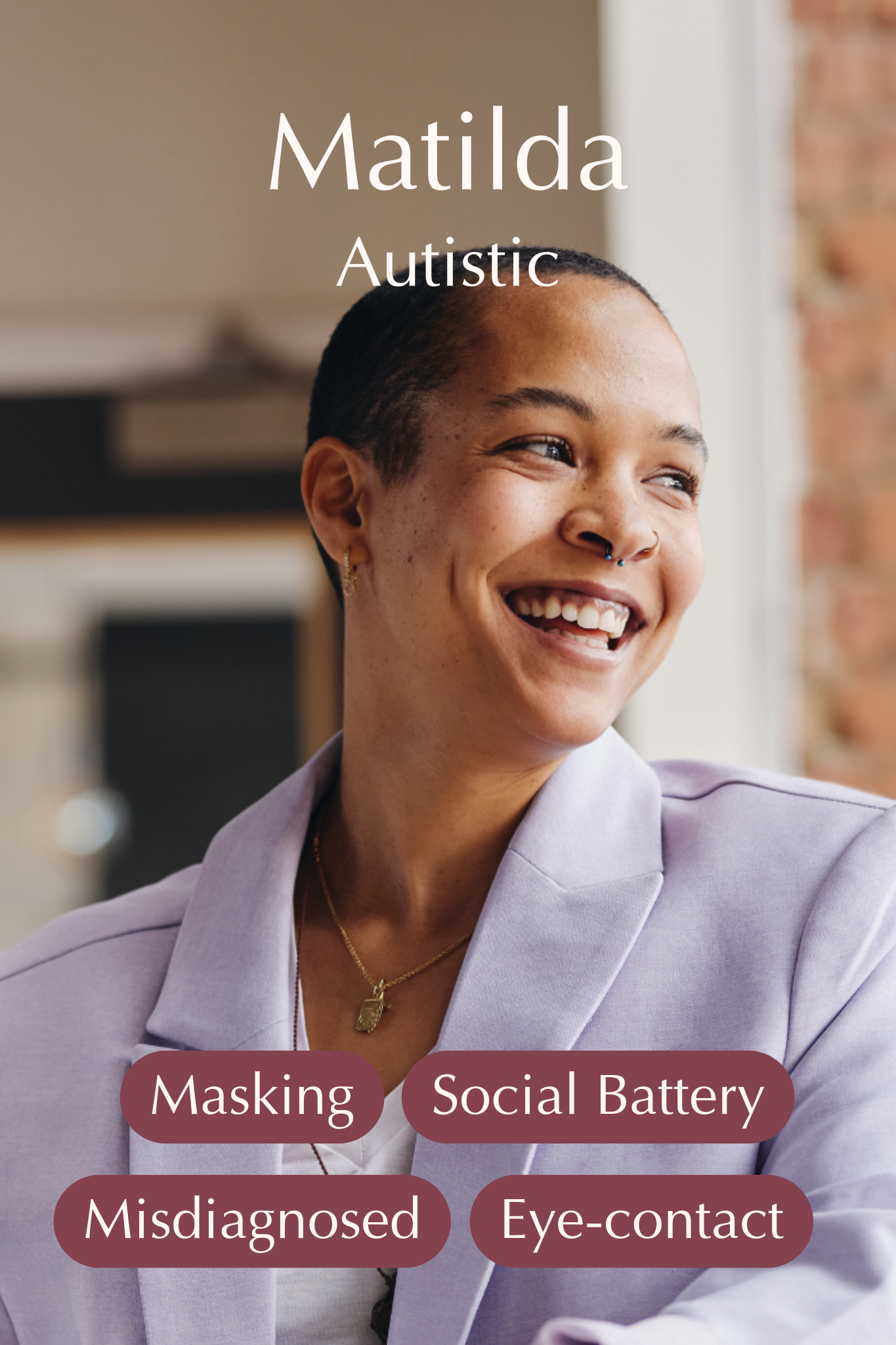
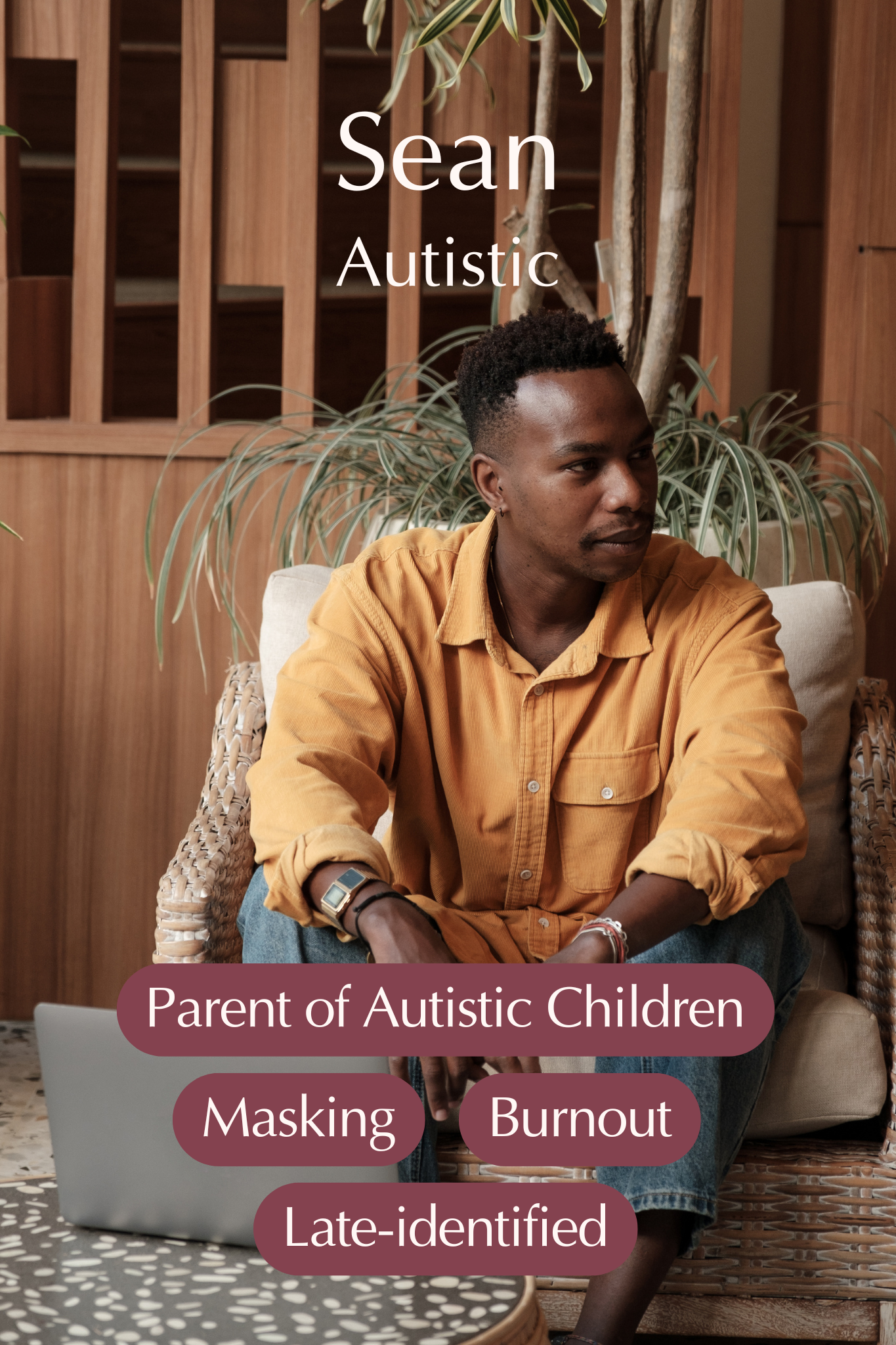
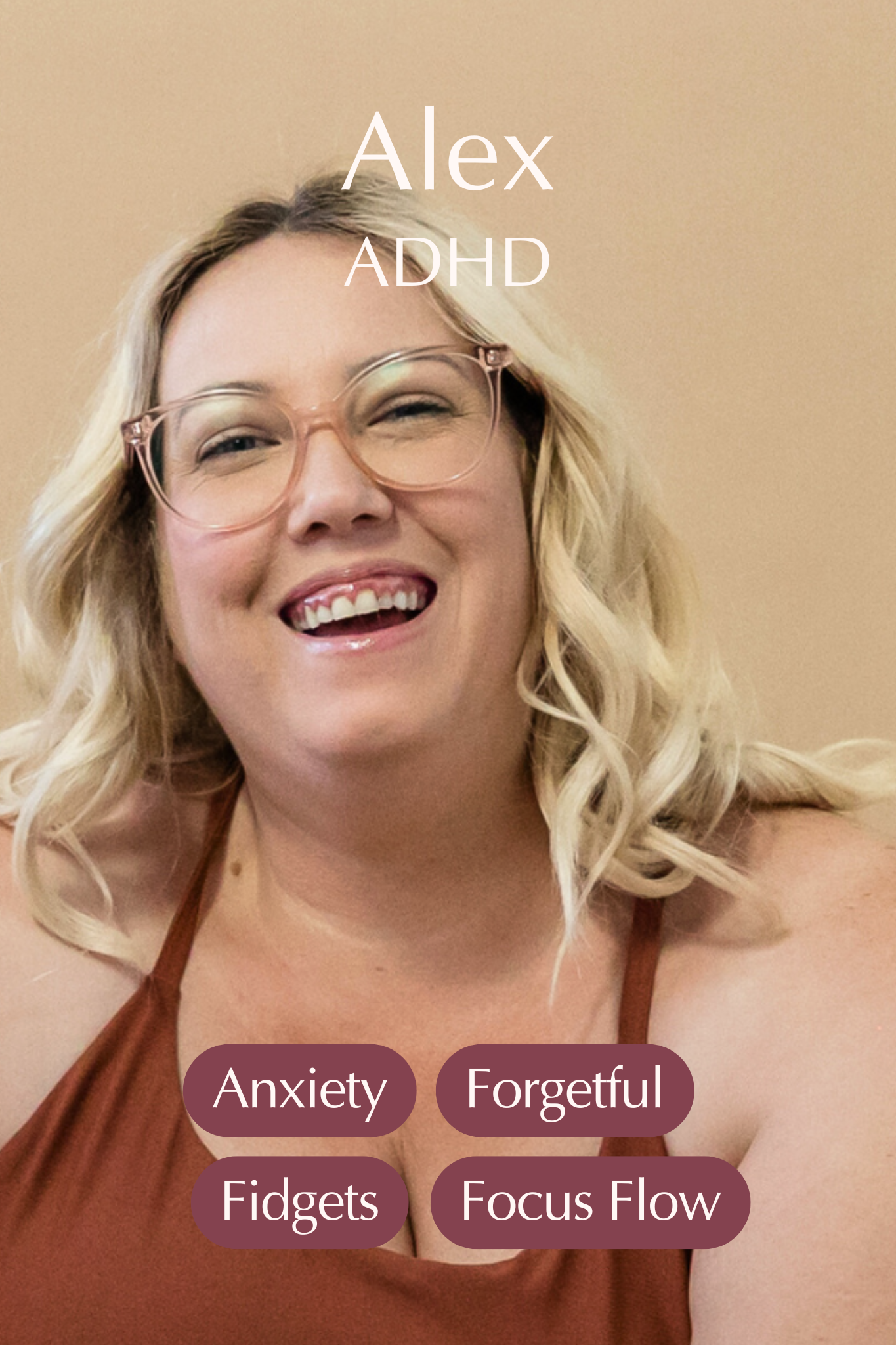
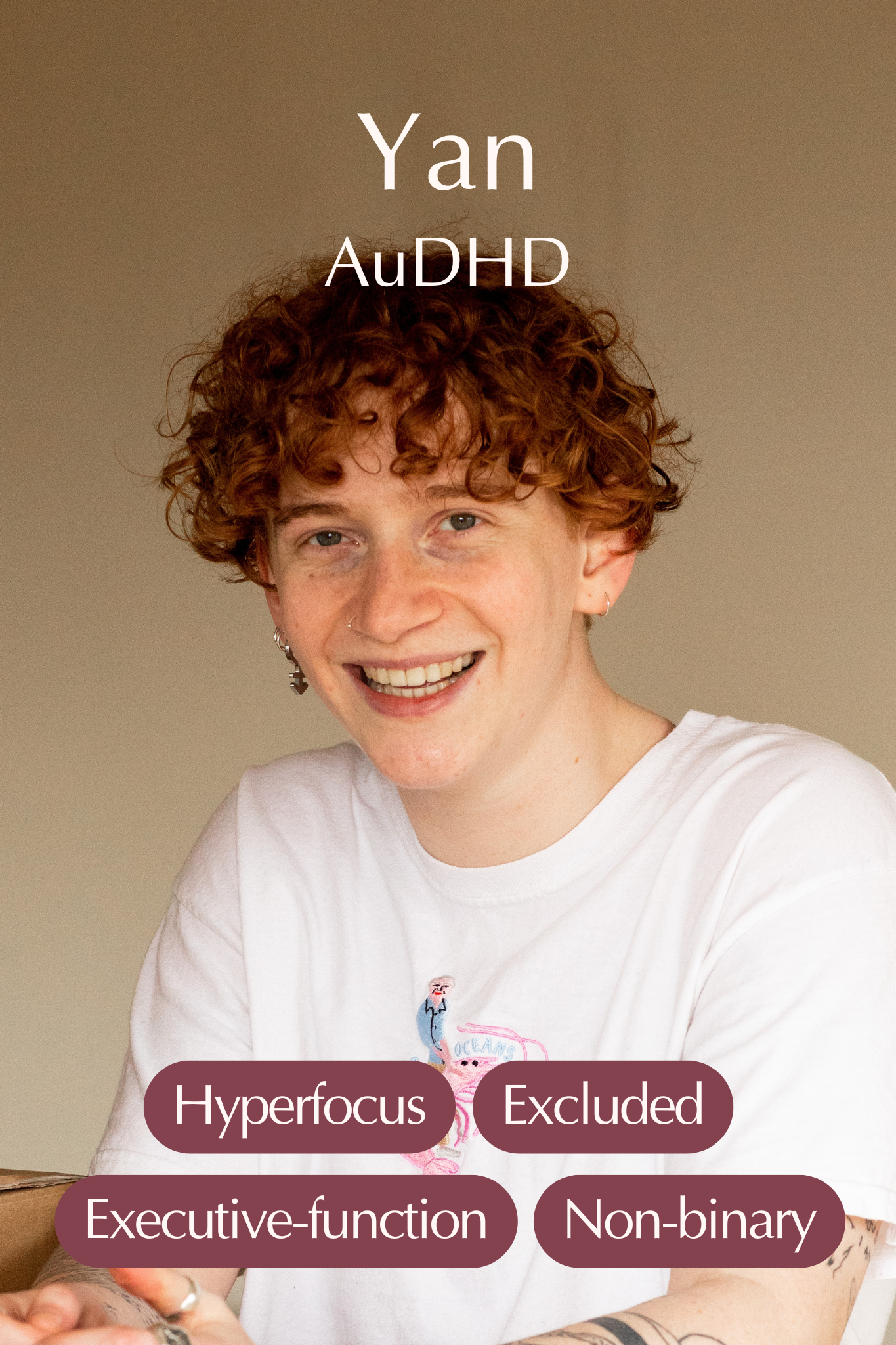
Common Autistic Experiences
-
Have you found it challenging to communicate clearly or understand what others mean - whether through their words, facial expressions, or body language?
Do you feel that people often misunderstand what you’re trying to say?Autistic communication is often more direct, literal, and precise than non-autistic communication. Many Autistic people easily understand other Autistic people’s verbal and non-verbal cues but find it harder to interpret body language and indirect communication from non-Autistic individuals.
-
Do you feel you have to work hard at presenting yourself in ways that don’t feel authentic?
Many Autistic people are aware they “mask” - working hard to present themselves in ways that feel expected but not authentic. This might include suppressing natural movements, scripting conversations, copying facial expressions or gestures, or mimicking neurotypical emotional responses.
-
Do you prefer direct communication and meaningful conversations over casual small talk?
Autistic people typically communicate literally and directly, preferring clarity over implied meanings. Many prefer detailed, meaningful conversations about topics they’re passionate about rather than casual chit chat, and may engage in in-depth discussions about their special interests.
-
Do you experience such a strong emotional reaction to a situation or ongoing stress that you feel like your body goes into ‘meltdown’ or ‘shutdown’?
Autistic people often experience meltdowns or shutdowns in response to overwhelming stress - sensory overload, routine changes, or too many demands. Meltdowns might include increased stimming, faster (or reduced) speech, fidgeting, crying, shouting, or self-injurious behaviours.
Shutdowns can make communication impossible, leaving the person feeling closed down and needing physical or mental retreat from overwhelm. The person may have limited control over these responses.
-
Do you feel tired and drained after social interactions?
Many Autistic people enjoy socialising, particularly around shared interests or in smaller groups, but often need longer recovery time afterward. Socialising can include quietly sharing space or doing activities together, not just talking. Many also value and enjoy alone time for recharging.
-
Do you find eye contact uncomfortable or distracting during conversations?
Many Autistic people can make eye contact but find it unhelpful or uncomfortable. Some have learned to do so to fit neurotypical expectations - sometimes without realizing it - but often find it makes communication more difficult rather than easier.
-
Do you have intense interests that bring you joy and comfort?
Many Autistic people experience deep joy and comfort from their passions. These interests provide both enjoyment and a way to recharge. While the interests themselves may not differ from non-Autistic people’s, the intensity and depth of focus often does.
Sharing passions in detail is also a common way Autistic people connect with others.
-
Do you make repetitive movements, sounds, or repeat the same activities?
Many Autistic people stim for various reasons - enjoyment, sensory regulation, or managing anxiety. Stimming can include movements, sounds, or repetitive activities - like listening to the same music, finding enjoyment in specific sensations, or repeating phrases. Stims aren’t always visible to others, and some people learned to suppress noticeable stims in childhood.
-
Do you find it difficult to understand what your body is telling you? For example, do you struggle to identify what emotion you’re feeling, or have difficulty recognising if you’re hungry or thirsty?
‘Alexithymia’ is common in Autistic people and refers to difficulties recognising emotions and differentiating them from internal bodily states. Rather than being a difficulty, it may simply be the different way many Autistic people experience emotions. These variations can be considered both strengths and challenges, depending on context and individual perception.
-
Do you prefer routine, predictability, and sameness in daily life, including eating the same foods?
Many Autistic people strongly value routine and predictability - though this varies, and some also seek novelty. Routines in how tasks are done or days are structured provide security.
Unexpected changes can feel distressing and overwhelming, even if a non-Autistic person wouldn’t notice.
This need for predictability often affects food choices, with many preferring familiar “safe” foods based on sensory qualities.
-
Do you feel intense empathy and care deeply about social justice and fairness?
Many Autistic people experience hyper-empathy toward people, animals, and even objects, which can be painful when sensing others’ distress. Strong convictions about social justice and climate issues are common. While this benefits important causes and movements, it can personally impact energy and mental health, especially when constantly exposed to these issues or surrounded by people with different values.
-
Do you find loud or busy environments stressful and overwhelming?
Many Autistic people process sensory input intensely - sounds, colours, and physical sensations can feel overwhelming. Sensory needs vary with context and wellbeing requiring extra effort to self-regulate and manage daily tasks. Importantly, sensory experiences are individual - what one person finds stressful, another might find comforting.
Common ADHD Experiences
-
Do you sometimes concentrate so intensely that you lose track of time and forget to eat or sleep?
Hyperfocus is intense, prolonged concentration where a person becomes completely absorbed in a task. Time can feel timeless, and this state can be highly productive and creative - even joyful. However, during hyperfocus, people may ignore personal needs, lose track of time, become exhausted, and continue even when it’s detrimental to their wellbeing. Hyperfocus is interest-based and it’s difficult to achieve this “zone” for tasks that aren’t engaging.
Do you find it very difficult to focus on tasks that feel uninteresting or unnecessary?
For people with ADHD, sustaining attention is challenging when tasks aren’t intrinsically stimulating. Since ADHD attention thrives on stimulation, difficulty focusing on uninteresting tasks is completely natural.
-
Do you find it difficult to plan or organize in general?
ADHD often involves executive functioning differences affecting flexibility, sequencing, memory, planning, and organizing. Some aspects may be more challenging than others - for instance, planning might be hard while starting tasks feels easier. This can make organizing work or managing life admin especially difficult.
-
Can you focus exceptionally well in some contexts but struggle to concentrate in others?
Context matters enormously for ADHD attention - determining whether focus is a strength or challenge in each situation. An ADHDer might focus intensely on interesting topics but appear unfocused on boring tasks. Quick information processing and decision-making (impulsivity) can be great for generating ideas and motivation, but less helpful when careful, sustained attention is needed.
-
Have you developed strategies to stay organised or manage time, but find they work in some situations and not others?
Many ADHDers are creative problem-solvers who develop workarounds for executive functioning challenges. These might include systems like alarms, enlisting help from others, using organisational tools, or adapting their environment. While these strategies help manage difficulties by using strengths, they can become exhausting. They often work well in familiar contexts but struggle to transfer to new situations.
-
Do you often find yourself finishing people’s sentences?
Faster speed of processing in ADHD can mean that we tend to respond to questions before they’ve been fully asked, or finish other people’s sentences. Waiting for someone to finish a sentence when you are aware of what the sentence will be can be experienced as intensely frustrating and boring.
-
Do you feel that you need a lot of movement?
Many ADHDers need movement for regulation, sensory input, self-expression, and learning. They may struggle with contexts requiring stillness and concentration, preferring to move around. They might be talkative when quiet is expected, often feel constantly “on the go” and have high energy levels - though this energy isn’t always externally visible to others.).
-
Do you find it very difficult to focus on tasks that feel uninteresting or unnecessary?
For people with ADHD, sustaining attention is challenging when tasks aren’t intrinsically stimulating. Since ADHD attention thrives on stimulation, difficulty focusing on uninteresting tasks is completely natural.
-
Do you focus best when something interests you or feels new?
ADHD attention thrives on interest, curiosity, and novelty. You might hyperfocus on engaging topics but struggle with boring tasks - reflecting how ADHD attention naturally works. Many feel energised by new tasks but struggle once novelty wears off, and find it hard to start unrewarding work.
-
Has your ability to focus or stay organised changed over your lifetime?
ADHD experiences change across the lifespan depending on age, context, and environment.
For example, parental scaffolding in childhood might have masked difficulties that become apparent in adulthood without that support. High energy or time management differences that worked fine in childhood might cause challenges in structured adult environments.
Conversely, someone who struggled in school might thrive in active jobs with flexible schedules that suit their needs.
-
Do you feel like your brain has “multiple tabs” open at once?
ADHDers often experience multiple thoughts running simultaneously, moving rapidly between them. This can mean being more focused internally (constant stream of thoughts) than on external conversations (environment, conversations), which might appear as not listening. ADHD attention is directed by both external stimuli and internal thought streams.
-
Do you find life admin tasks like organising tax affairs, paying bills and renewing insurance challenging?
Many ADHDers find money management and life admin challenging due to executive functioning differences affecting planning, organising, and time management. Sustaining attention on unstimulating tasks like paperwork is particularly difficult, as ADHD attention is driven by interest and novelty rather than necessity. While many develop creative strategies - like systems, reminders, or enlisting help - to manage these tasks, compensatory approaches can be exhausting to maintain over time.
-
Does your brain feel like it moves faster than others? This might show up in finding it difficult to wait for people to finish their sentences.
Many ADHDers have a conversational style characterised by excitement and passion, speaking quickly, and having great variety in thoughts. They may process information faster than non-ADHDers, meaning they tend to respond to questions before they’ve been fully asked, or finish other people’s sentences. These pacing differences can make waiting in turn, queues, or experiencing delays frustrating.

What type of appointment should I book for?
Consultation vs.
Assessment
If you relate to many Autistic lived experiences, but not many ADHD experiences…
We suggest booking a 1-hour exploratory Autistic Consultation to explore whether a full assessment might be right for you.
If you relate to many ADHD lived experiences, but not many Autistic experiences…
We recommend booking a 1-hour exploratory ADHD Consultation to discuss your experiences and next steps.
If you relate to both Autistic and ADHD lived experiences…
We suggest booking a combined 1-hour Autistic & ADHD (AuDHD) Consultation to explore both aspects of your experience.
If you self-identify as Autistic, ADHD, or AuDHD and want formal recognition…
We recommend booking a Collaborative Experience Assessment. Our process differs from traditional assessment - we don’t lead to a clinical diagnosis in the conventional sense.
Instead, our progressive, neuro-affirmative approach is about respecting and celebrating your unique lived experience through formal identification.

Still unsure which is right for you?
That’s completely okay. Feel free to contact us at info@adultautism.ie and we’ll help you figure out the best starting point based on where you are right now.